
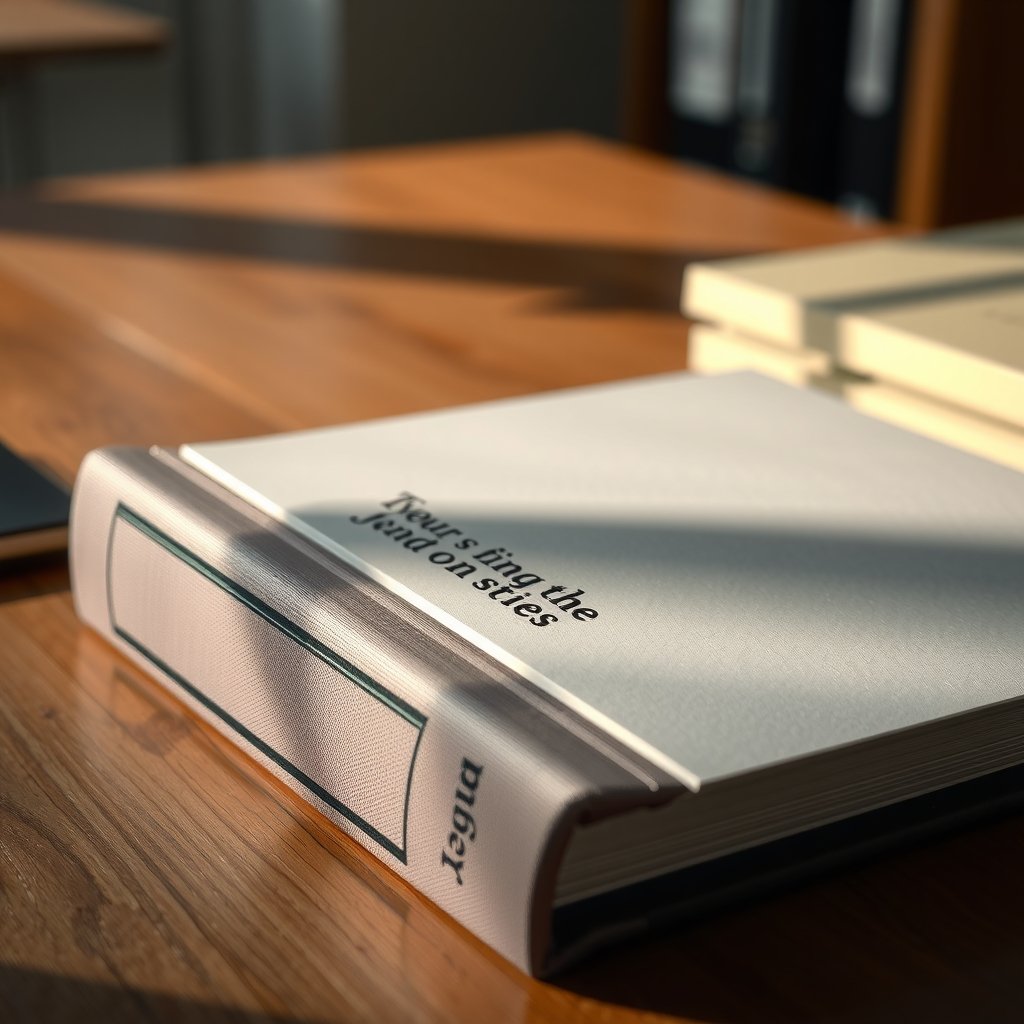
Embarking on the journey of hardcover book printing is an exciting milestone for any creator, self-publisher, or business owner looking to leave a lasting impression. Whether you are launching a debut novel, compiling a corporate history, or releasing a gorgeous photography portfolio, casebound books offer unmatched durability and a premium feel. Understanding the production workflow helps you navigate technical requirements while keeping your project on track. By paying attention to file preparation, material selection, and cost structures, you can ensure your final product looks polished and professional.

Understanding the Appeal of Hardcover Book Printing
There is a distinct psychological weight associated with books featuring rigid covers. When readers hold a volume produced through professional hardcover book printing, they immediately perceive the contents as valuable, authoritative, and collectible. This format elevates memoirs, reference guides, and commemorative corporate volumes above standard paperback editions.
Why Authors and Businesses Choose Hardcover Book Printing
Authors often select hardcover book printing for their flagship releases because libraries, collectors, and dedicated fans prefer sturdy bindings that withstand frequent reading. Businesses utilize this format for annual reports, milestone anniversary books, and high-end client gifts that need to sit proudly on executive desks. The flat spine allows for striking typography even when the volume is shelved neatly between others, maximizing visual impact.
Preparing Your Manuscript and Interior Files for Print
Successful hardcover book printing begins long before the physical binding process takes place. Your interior text must be meticulously formatted to meet strict publishing standards, ensuring that margins, headers, and page numbers align correctly once trimmed and bound. Taking time to review your layout prevents awkward text flow issues that distract readers.
Formatting Guidelines for Standard Book Sizes
Selecting the right trim size is the first crucial step in preparing files for hardcover book printing. Common dimensions include compact novels, trade sizes, and larger coffee table formats. You must include adequate bleed and gutter margins so that text never disappears into the central fold of the binding. Working with professional design software ensures your page geometry remains consistent throughout the entire document.
Exporting Your PDF for Professional Results
Printers require high-resolution PDF files to achieve crisp typography and clear interior illustrations. When preparing files for hardcover book printing, ensure all fonts are embedded and images meet the minimum dots-per-inch requirements for sharp reproduction. Exporting with proper printer marks and color profiles guarantees that what you see on your monitor translates accurately onto physical paper.
Designing an Eye-Catching Hardcover Book Cover
The exterior of your publication serves as your primary marketing tool and protects the pages within. High-quality hardcover book printing allows for two main aesthetic approaches: printed paper case covers or traditional cloth bindings paired with decorative paper wrappers. Each style offers unique opportunities to showcase your brand or artistic vision.
Understanding Case Binding and Dust Jackets
Case binding involves gluing and sewing signatures of pages into a rigid board structure wrapped in printed paper or cloth. Many publishers choose to pair this sturdy structure with a removable dust jacket, which provides extra space for author biographies, review snippets, and synopsis text. Managing hardcover book printing requires precise coordination between the outer jacket dimensions and the underlying board dimensions.
Spine Width Calculations and Typography Best Practices
The width of your spine depends entirely on your total page count and the thickness of the paper stock you choose. Accurate spine calculations are essential in hardcover book printing so that your title and author name sit squarely in the middle of the spine rather than wrapping onto the front or back covers. Keep typography clean, legible, and large enough to read easily from a distance.
Choosing the Right Materials and Finishes
The tactile experience of a book relies heavily on the physical materials selected during the production planning phase. Premium hardcover book printing gives you control over every sensory detail, from the weight of the internal pages to the sheen of the exterior coating.
Paper Weight and Finish Options
Interior pages generally range from lightweight cream fiction stocks to heavy glossy paper ideal for full-colour photography. Selecting the correct paper weight for your hardcover book printing project prevents text from showing through from the reverse side while maintaining a comfortable weight in the hands of the reader.
Cover Materials and Special Foil Stamping
To make your edition truly stand out, consider upgrading your hardcover book printing specifications with specialty finishes. Matte or gloss laminations protect printed paper cases, while cloth covers can be enhanced with metallic foil stamping or debossed text. These thoughtful touches elevate standard publications into heirloom-quality keepsakes.
How Much Does Hardcover Book Printing Cost?
Budgeting is a critical concern for independent publishers and organizations alike. The total investment required for hardcover book printing varies depending on several production variables that directly influence labor and material expenses.
Factors That Influence Your Overall Production Budget
The primary cost drivers in hardcover book printing include your total print run, page count, trim size, and choice of specialty finishes. Full-colour interior printing significantly increases costs compared to standard black-and-white text pages. Additionally, heavier books require more robust binding materials, which adjusts the baseline pricing accordingly.
Managing Costs Through Print-on-Demand vs. Offset Quantities
Understanding production methods helps you manage expenses effectively. Digital short-run and print-on-demand services allow for small quantities of hardcover book printing without significant upfront inventory costs, though the per-unit price is higher. Conversely, offset printing requires a larger initial financial commitment but drastically reduces the per-copy cost for large distributions.
Placing Your Order and Working with a Printer
Once your files and budget are finalized, collaborating closely with your chosen production partner ensures a smooth manufacturing cycle. Clear communication during the pre-press stage prevents costly errors and delays.
Reviewing Digital Proofs and Physical Proof Copies
Most professional providers supply digital proofs or wet proofs before starting full production runs of hardcover book printing. Carefully examine these proofs to check image placement, color balance, and text alignment. Requesting a physical proof copy is especially recommended for complex projects to evaluate the tactile qualities of the paper and binding firsthand.
Finalizing Files for Successful Hardcover Book Printing
After approving your proofs, your project moves into the active production queue. Double-checking all pre-press checklists guarantees that your hardcover book printing order proceeds without technical hiccups, delivering a finished product you can distribute with confidence.
Frequently Asked Questions About Hardcover Printing
What Is the Typical Turnaround Time for Hardcover Books?
Production schedules vary based on the complexity of your specifications and the chosen manufacturing method. Standard digital runs for hardcover book printing generally take a couple of weeks, while large offset orders require a more extended timeline for shipping and binding.
What Is the Minimum Order Quantity for Hardcover Binding?
Thanks to modern digital manufacturing advancements, many modern solutions for hardcover book printing accommodate very small batches, sometimes even single-copy orders. However, ordering a slightly larger batch often provides better cost-efficiency per book.